Understanding Mold Testing: Protecting Your Home and Health
Understanding Mold Testing
Mold is a common household issue that can have serious implications for both your home and your health. Understanding mold testing is crucial in identifying and addressing mold problems before they escalate. This process involves assessing the extent of mold presence and determining the type of mold affecting your environment.
Why Mold Testing Is Important
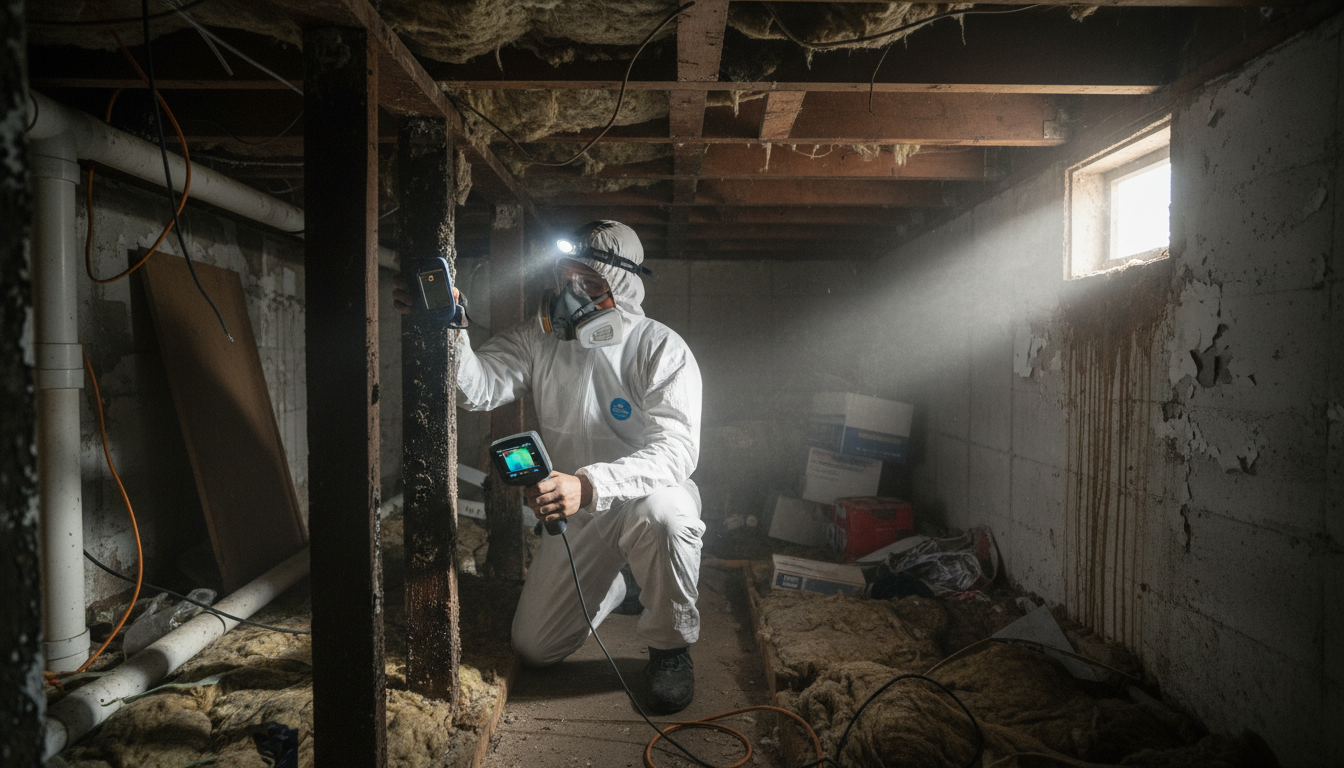
Mold testing is essential for several reasons. First and foremost, it helps in identifying hidden mold that may not be visible to the naked eye. Mold can lurk behind walls, under carpets, or in HVAC systems, making it difficult to detect without professional testing.
Moreover, mold can have adverse health effects, including respiratory issues, allergic reactions, and even neurological problems. By conducting mold testing, homeowners can take proactive measures to protect their family's health and well-being.
The Mold Testing Process
The mold testing process typically involves several steps. Initially, a visual inspection is conducted to identify any visible signs of mold. This is followed by collecting air samples and surface swabs to detect mold spores in the environment.
These samples are then analyzed in a laboratory to determine the type and concentration of mold present. The results of this analysis guide the remediation process, ensuring that the mold is effectively addressed and removed.
Types of Mold
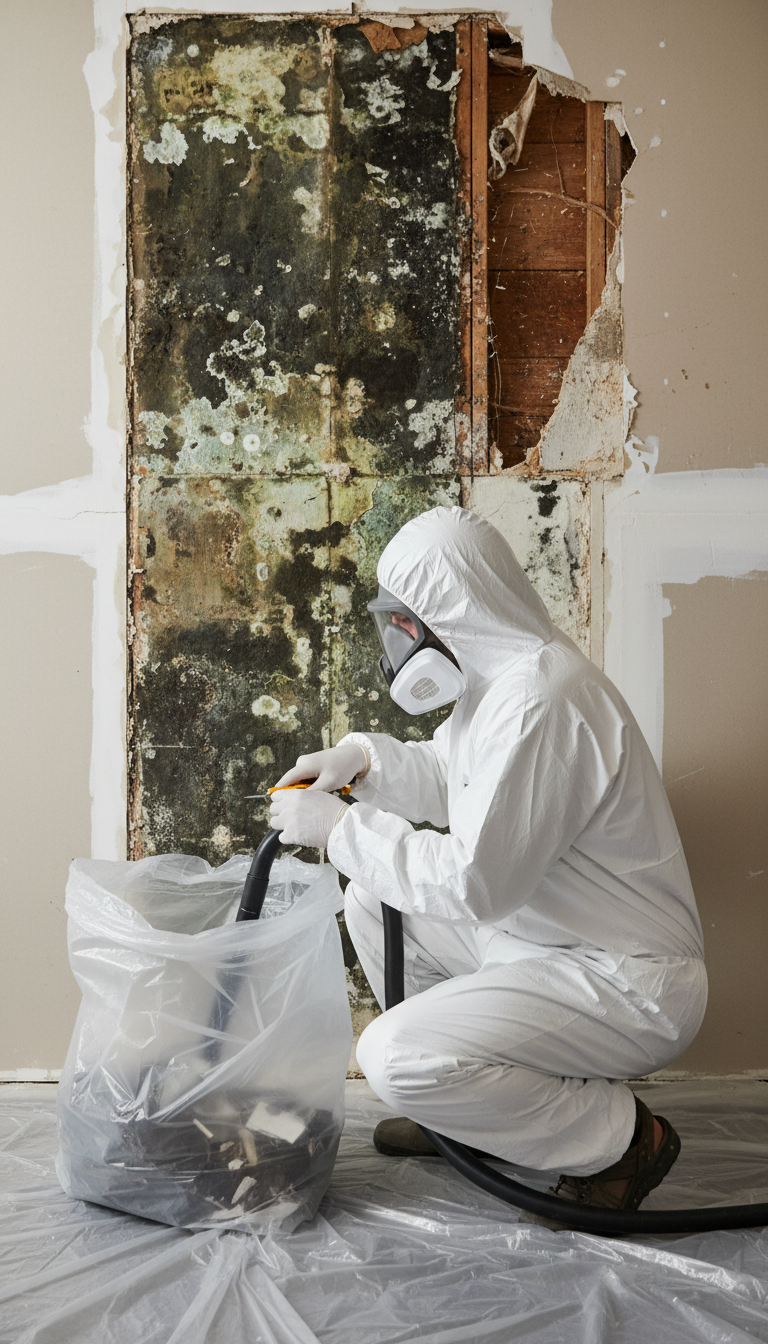
Understanding the type of mold present is crucial for effective remediation. Common household molds include Aspergillus, Cladosporium, and Stachybotrys, commonly known as black mold. Each type of mold has different characteristics and health impacts.
- Aspergillus: Often found in damp climates and can cause respiratory issues.
- Cladosporium: Typically found in both warm and cold areas; can trigger asthma symptoms.
- Stachybotrys: Known as black mold, it can produce toxins that may lead to severe health problems.
When to Consider Mold Testing
There are specific situations when mold testing should be considered. If you notice a musty odor, experience unexplained health symptoms, or have recently experienced water damage in your home, it may be time to conduct mold testing.
It's also wise to test for mold if you are purchasing a new home or if your property has been unoccupied for an extended period. Early detection can prevent costly repairs and safeguard your health.
Choosing a Professional Mold Tester
When selecting a professional mold tester, it's important to choose someone with experience and proper certification. A qualified professional will have the tools and expertise needed to accurately assess your home for mold.
Ensure that the tester provides a detailed report of their findings and offers guidance on the next steps for remediation. This comprehensive approach will give you peace of mind and a clear plan of action.
By understanding mold testing and taking proactive measures, you can protect your home and health from the potentially harmful effects of mold. Regular testing and timely remediation can save you from future headaches and ensure a safe living environment.